Bathroom Zoning Explained: Wet, Dry & Vanity Areas Done Right
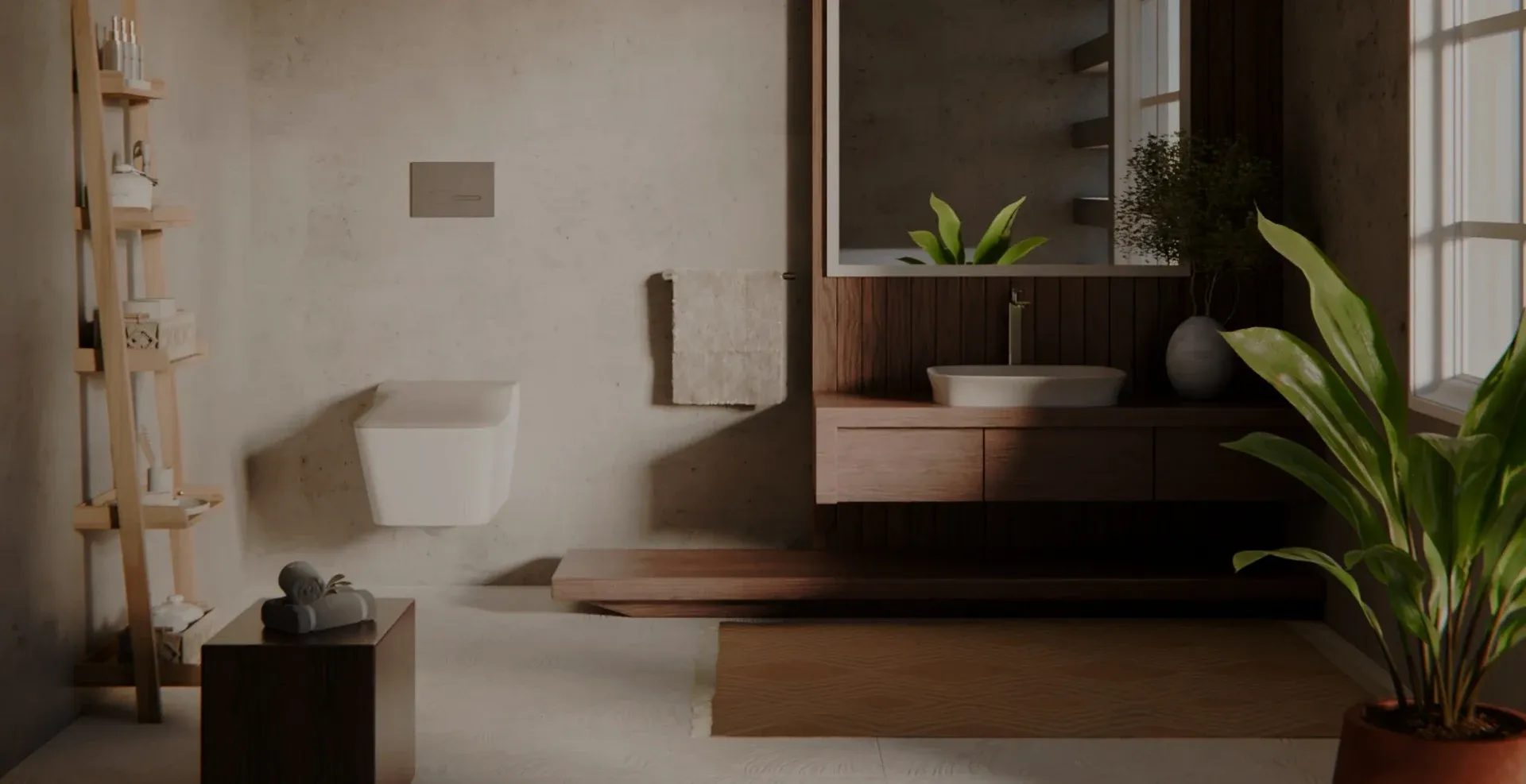
In the realm of luxury living, a bathroom transcends its utilitarian purpose to become a sanctuary of comfort and style. The secret to achieving this harmonious balance lies in bathroom zoning - a sophisticated design approach that intelligently divides the space into distinct functional areas: wet, dry, and vanity zones. This method not only enhances the aesthetic appeal and functionality of your bathroom but also significantly improves safety and maintenance. For discerning homeowners and design professionals, understanding and implementing effective bathroom zoning is paramount to creating a truly exceptional space. Senator Bathware, with its exquisite range of premium products, offers the perfect elements to bring these zoned designs to life.
Understanding the Core Zones
Effective bathroom zoning typically involves three primary areas, each with its unique requirements and design considerations.
1. The Wet Zone: Where Water Reigns Supreme
The wet zone is the heart of water-related activities, encompassing the shower and bathtub areas. This zone demands materials and design choices that can withstand constant moisture and ensure safety.
Key Characteristics:
- High Moisture Exposure: Requires robust waterproofing and moisture-resistant finishes.
- Safety First: Non-slip flooring is crucial to prevent accidents.
- Ventilation: Adequate ventilation is essential to prevent mold and mildew growth.
Design Considerations for the Wet Zone:
- Materials: Opt for large format tiles, natural stone, or engineered composites that are non-porous and easy to clean. Senator Bathware's range of durable sanitaryware and showers are designed to complement these high-performance materials.
- Drainage: Implement proper floor sloping towards linear or central drains to ensure efficient water runoff [2].
- Enclosures: Glass enclosures or partial partitions effectively contain water while maintaining an open feel. For a truly luxurious experience, consider Senator's ceiling showers and modular shower systems.
- Lighting: Waterproof recessed lighting or specialized shower lights enhance visibility and ambiance.
2. The Dry Zone: A Haven of Comfort and Privacy
The dry zone typically houses the toilet and often includes storage or a dressing area. This area prioritizes comfort, privacy, and ease of access.
Key Characteristics:
- Minimal Moisture Exposure: Less stringent waterproofing requirements compared to the wet zone.
- Privacy: Often designed with a degree of separation for comfort.
- Storage Potential: Ideal for incorporating built-in cabinetry and shelving.
Design Considerations for the Dry Zone:
- Placement: Position the toilet discreetly, perhaps behind a half-wall or within a dedicated nook, away from direct sightlines [2].
- Flooring: While still moisture-resistant, a wider range of flooring options like engineered wood or decorative tiles can be used here.
- Senator Products: Senator's smart toilets and wall-hung WCs offer sleek designs that integrate seamlessly into a sophisticated dry zone, maximizing space and enhancing hygiene.
- Storage: Incorporate elegant storage solutions for towels, toiletries, and other essentials. Floating shelves or integrated cabinets maintain a clean, uncluttered look.
3. The Vanity Zone: The Epitome of Style and Function
The vanity zone is dedicated to washing, grooming, and personal care. It serves as a focal point of the bathroom, blending aesthetic appeal with practical functionality.
Key Characteristics:
- Frequent Use: Requires durable surfaces and fixtures.
- Lighting: Excellent task lighting is essential for grooming.
- Storage: Ample storage for personal care items is crucial.
Design Considerations for the Vanity Zone:
- Basins and Faucets: Choose from Senator's exquisite collection of table-top, semi-insert, or art decor basins paired with designer faucets like the Expression or Fluidique series, which are both functional and visually striking.
- Countertops: Select materials that are both beautiful and resilient, such as quartz, marble, or granite.
- Mirror and Lighting: A large, anti-fog mirror with integrated LED lighting or well-placed sconces provides optimal illumination for grooming [2].
- Storage: Vanity units with drawers and cabinets, or recessed medicine cabinets, keep the area tidy and organized. Consider Senator's Designer Art Basins collection for a unique statement piece that also offers practical storage solutions.
| Also See Designer Art Basins & Designer Faucet
Design Planning: Principles for Seamless Integration
Beyond defining individual zones, successful bathroom design hinges on how these areas are integrated to create a cohesive and intuitive space. Here are essential principles for effective design planning:
1. Intuitive Traffic Flow
Planning the movement within the bathroom is critical for comfort and safety. The layout should guide users naturally from the dry entry to the semi-wet vanity, and finally to the wet shower/bath area [1].
- Entry Point: Ideally, the vanity should be closest to the door for immediate handwashing and appearance checks upon entry [2].
- Clear Pathways: Ensure unobstructed paths between zones, especially for night-time navigation. Avoid placing obstacles that could impede movement.
- Accessibility: Consider future needs and accessibility requirements, such as wider doorways or grab bars near the toilet and shower.
2. Wet-Dry Separation Techniques
Achieving a clear separation between wet and dry areas is crucial for safety, maintenance, and longevity of materials [2].
- Physical Barriers: Glass enclosures, partial walls, or even strategic placement of furniture can delineate zones.
- Level Changes: A slight elevation in the wet zone can help contain water, though careful consideration of accessibility is needed.
- Material Transitions: Using different flooring materials or patterns can visually separate zones while maintaining a cohesive design.
3. Optimizing Space and Ergonomics
Every element in a luxury bathroom should be optimized for both form and function.
- Recessed Elements: Recessed niches in showers for toiletries or wall-mounted cabinets save space and reduce clutter.
- Floating Fixtures: Wall-hung vanities and toilets create an illusion of more space and facilitate easier cleaning [2]. Senator's wall-hung WCs are perfect examples of this principle.
- Multipurpose Furniture: Select pieces that offer dual functionality, such as a vanity with integrated seating or storage.
4. Lighting and Ventilation
These often-overlooked elements are vital for both comfort and the preservation of your bathroom.
- Layered Lighting: Combine ambient lighting (general illumination), task lighting (around the vanity), and accent lighting (to highlight architectural features or artwork) for a dynamic and functional space.
- Natural Light: Maximize natural light where possible through windows or skylights, which also aids in ventilation.
- Powerful Ventilation: Install high-capacity exhaust fans to quickly remove moisture and odors, preventing humidity-related issues [2].
Senator Bathware: Elevating Zoned Design
Senator Bathware's curated collections are designed to integrate seamlessly into sophisticated zoned bathroom layouts. From the award-winning Visqua Wash Basin to the innovative smart toilets and luxurious shower systems, each product embodies the perfect blend of Italian design heritage and cutting-edge functionality. By choosing Senator, you are not just selecting bathware; you are investing in a design philosophy that prioritizes elegance, durability, and an unparalleled user experience.
Conclusion: Crafting Your Perfect Bathroom Sanctuary
Bathroom zoning is more than just a design trend; it's a fundamental principle for creating a functional, safe, and aesthetically pleasing luxury bathroom. By thoughtfully defining wet, dry, and vanity areas, and meticulously planning their integration, you can transform your bathroom into a personal sanctuary that reflects your refined taste and meets your every need. Embrace the art of zoning with Senator Bathware, and elevate your home with a space that truly embodies the essence of luxury.


